
Downloading a game onto your phone isn’t just adding an app; it’s slipping a tiny social hub into your pocket. A 2023 Digital Entertainment Association survey found that the average UK commuter now spends about 45 minutes a day on mobile games. That half‑hour rarely happens in a vacuum – it blends into chats, coffee breaks and even the rush hour on the tube.
Instant groups: the rise of in‑game chatrooms
Titles such as Clash of Clans and Among Us come with built‑in chatrooms that automatically split players into squads of four to ten. Each match’s logs are saved, so a newcomer can jump straight into the conversation without any awkward introductions. On a typical London underground ride you’ll hear strangers hashing out the best defence strategy for a week‑long clan war, then swapping numbers to keep the banter going on Discord later.
Live events that spill into the real world
Developers now line up timed events with real‑world holidays. Take the summer beach‑themed tournament that ran from 1 July to 15 July, offering a limited‑edition virtual surfboard. Over 120,000 UK players logged in during that window, many posting screenshots on Instagram with #UKSurfGame. The buzz didn’t stay online – surf shops in Brighton reported a noticeable rise in enquiries for actual boards after the event.
Social economics: virtual goods as conversation starters
Buying a rare skin or a custom avatar is no longer a solitary act. In 2022 the average UK spend on cosmetic items hit £32 per user, turning those items into status symbols. When someone unlocks a gold‑bordered badge in a popular puzzle game, friends spot the change on the leaderboard and a flurry of messages follows, asking where it was bought and whether the £4.99 price tag is worth it.
Connecting the offline and online entertainment scenes
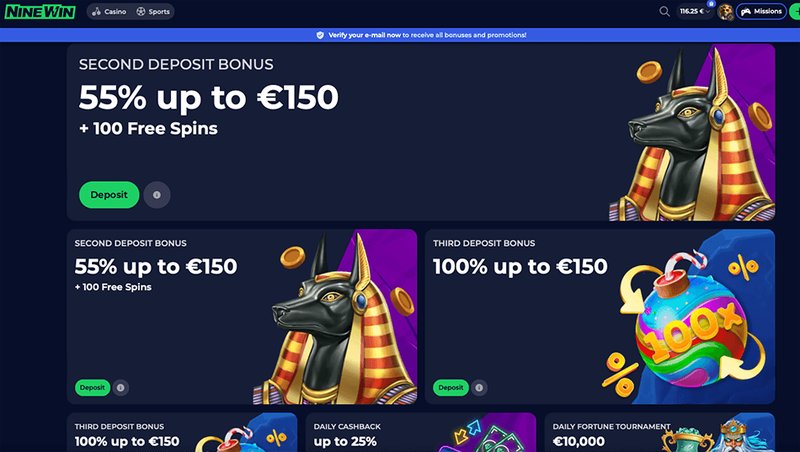
All these trends show how mobile gaming blurs the line between a digital pastime and a social ritual. It’s why many people slide from a quick match into a broader entertainment ecosystem. For a smooth transition, users often turn to platforms that mix gaming with other online leisure, such as https://www.ninewincasino-uk.co.uk, where casual play can sit alongside streaming and community forums.
Challenges: digital fatigue and inclusivity gaps
Not every shift is positive. The nonstop flow of notifications can create “gaming overload” – a study found 27 % of frequent mobile gamers in the UK feel pressured to stay online even during social outings. Younger players from lower‑income households also struggle to keep pace with rapid updates, as premium packs often require extra spending they simply can’t afford.
What the future looks like for UK social circles
Looking ahead, augmented reality (AR) promises to deepen the integration. A pilot project in Manchester now lets players see virtual avatars over real‑world landmarks, turning a city walk into a multiplayer scavenger hunt. If the trial’s eight‑week engagement rate – nearly 70 % of participants playing daily – holds, we may soon add a new layer of “location‑based social gaming” to everyday life.
In short, mobile gaming has become a social glue, stitching together strangers on a bus, colleagues in a break room, and friends across the country. The trend opens fresh ways to connect, but it also reminds us to balance screen time with offline moments. As technology evolves, the UK’s digital social scene will keep expanding, one tap at a time.
Frequently Asked Questions
How do mobile games affect social interaction?
They provide quick chat opportunities, turning gameplay into social moments even during commutes.
Can mobile games replace face-to-face interactions?
They supplement rather than replace, offering casual connections that can lead to deeper offline friendships.
What are the best mobile games for social play?
Games like Among Us, Clash of Clans, and Words with Friends feature robust chat and group play.